Is Bath Worth Visiting?
Two thousand years of Roman baths and a sweep of honey-stone Georgian terraces sit inside one small, walkable city, which is why Bath keeps pulling people back.
 Written with James Thornton, London to Bath day tour guide & heritage specialist
Short answer
Yes. Bath is worth visiting for its rare combination of Roman history and Georgian architecture, all within one compact UNESCO World Heritage city. First-timers come for the Roman Baths, Bath Abbey, the Royal Crescent and Pulteney Bridge; returning UK travellers come back for the food, the spa and the quieter corners. The honest downsides are summer crowds around the main sights and streets that get steep, but neither is a reason to stay away.
There are prettier villages in England and grander cities, but very few places pack Roman ruins, world-famous Georgian architecture and a working spa culture into a centre you can cross on foot in twenty minutes. That is Bath's trick. It is a small city that punches far above its size, and it earns the trip whether you are seeing England for the first time or you have lived here for years and never quite got round to it.
What makes Bath special?
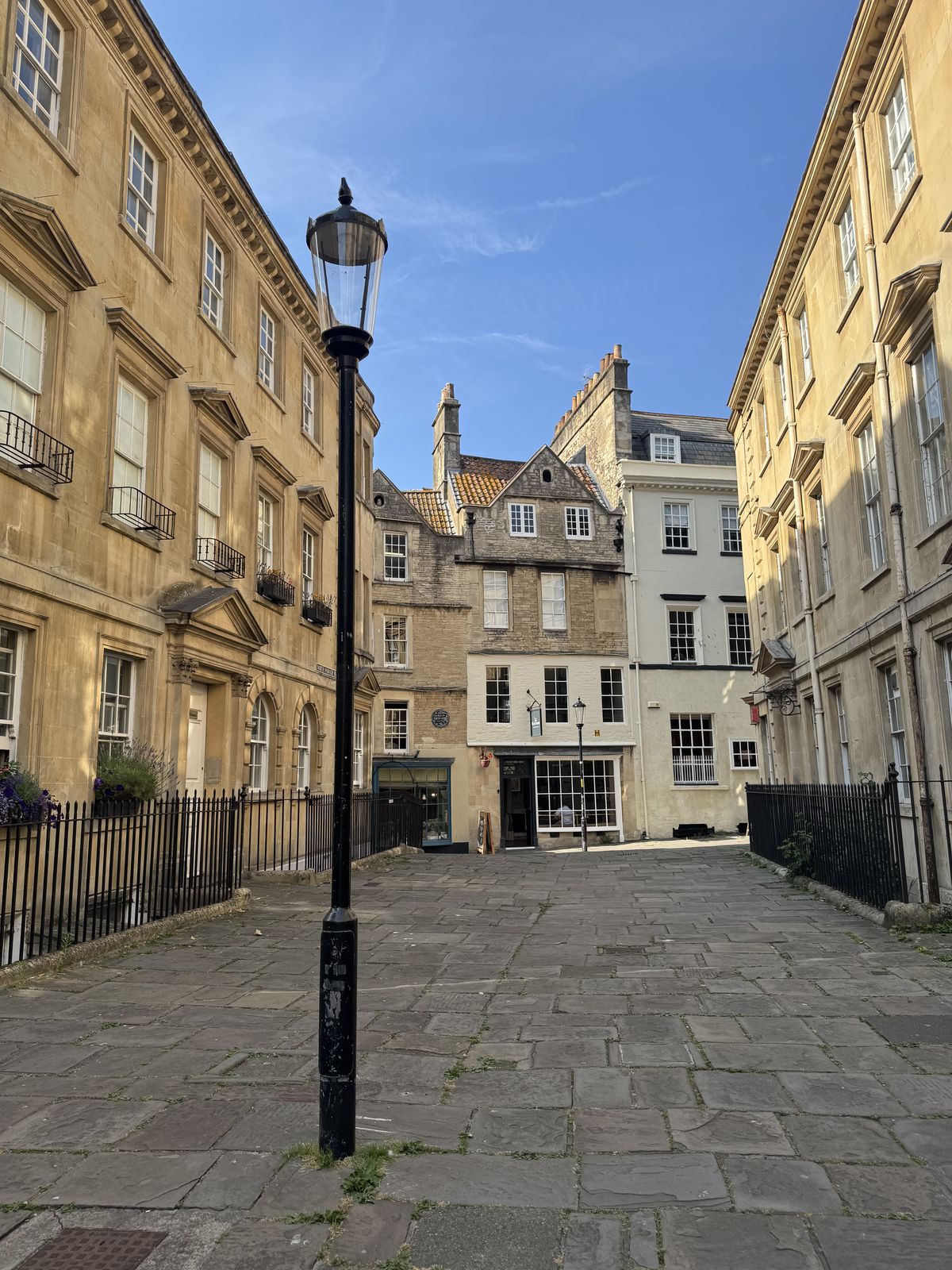
Bath layers three cities on one spot: a Roman bathing complex built around Britain's only hot spring, a Georgian resort rebuilt in honey-coloured stone, and a modern city whose entire centre holds UNESCO World Heritage status. Nowhere else in Britain stacks that much history into twenty walkable minutes.
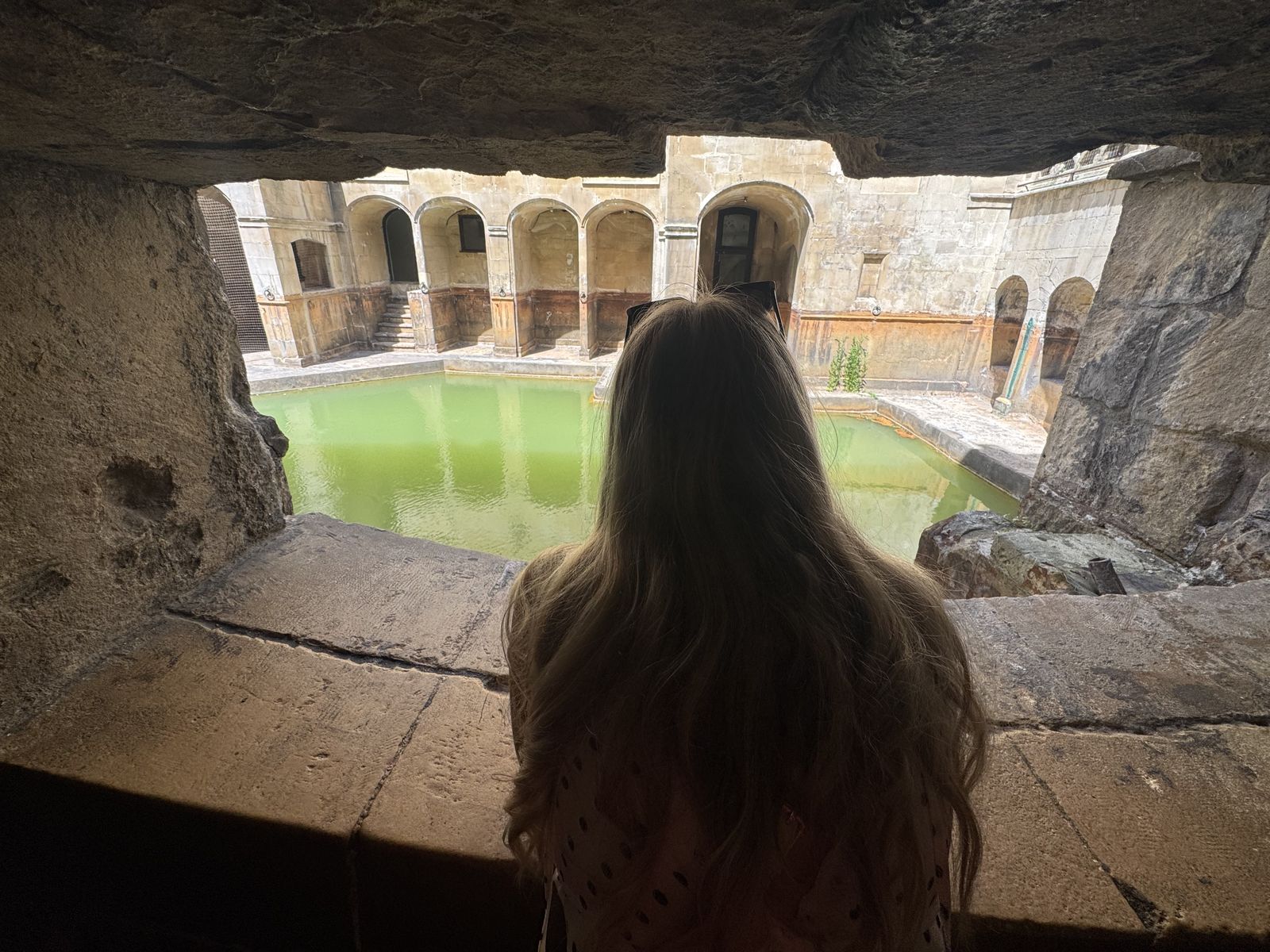
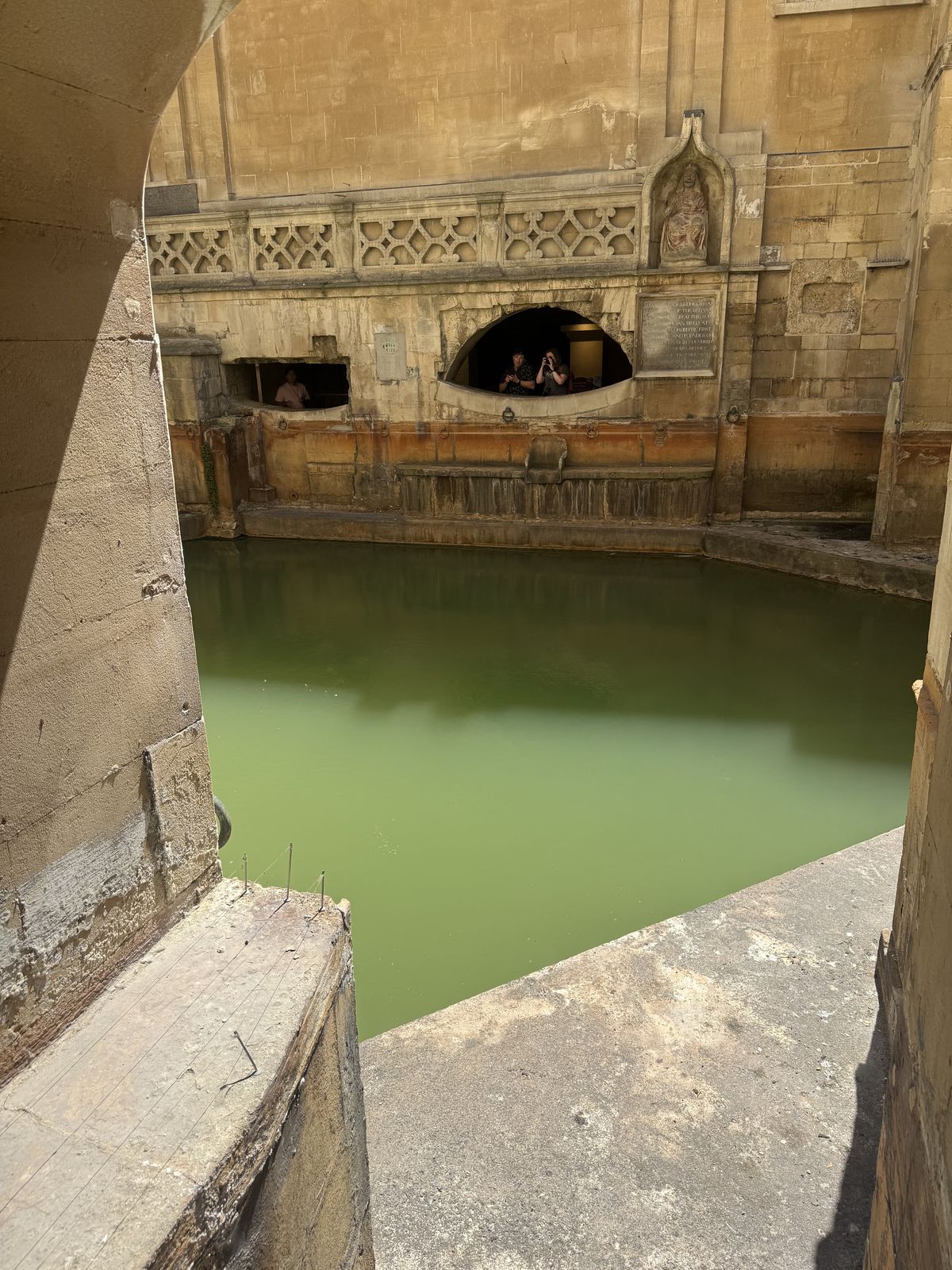
The Roman city was built around Britain's only naturally hot spring, where water still surfaces at around 46°C. The Romans channelled it into a bathing complex and a temple to the goddess Sulis Minerva. What survives, the Great Bath, the Sacred Spring, and a museum holding the gilded bronze head of Sulis Minerva and the carved Temple pediment with its famous Gorgon's head, is one of the best Roman sites north of the Alps.
The Georgian city came 1,700 years later, when Bath became a fashionable spa resort and architects rebuilt it in honey-coloured Bath stone. The Royal Crescent, thirty terraced houses in one great curve built between 1767 and 1774, and The Circus above it, a ring of townhouses in three curved segments, are the showpieces. This is the Bath of Jane Austen, who lived here from 1801 to 1806 and set parts of Northanger Abbey and Persuasion in its streets.
And the whole city is a UNESCO World Heritage Site, one of very few places where the entire urban area holds that status, not just a single monument. Walk between the sights and the streets themselves are the attraction.
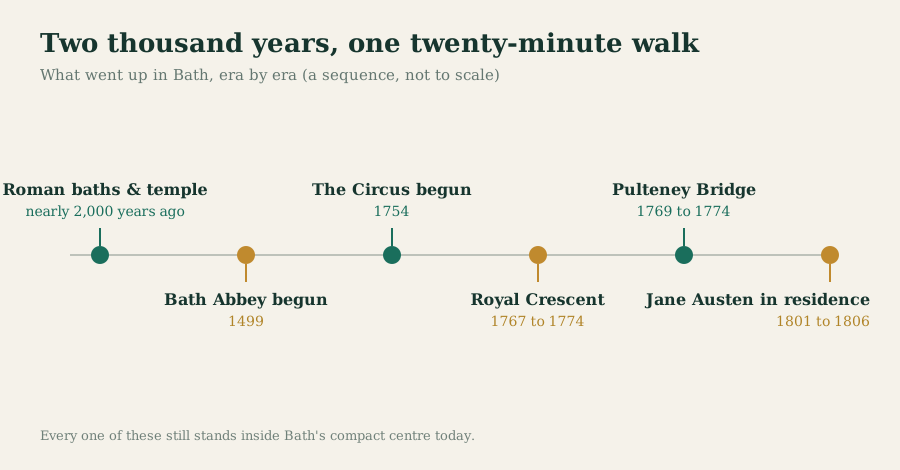
| Era | What went up | When |
|---|---|---|
| Roman | The baths and temple around Britain's only hot spring | Nearly 2,000 years ago |
| Medieval | Bath Abbey, the last great medieval church of England | Begun 1499 |
| Georgian | The Circus, the Royal Crescent and Pulteney Bridge | 1754 to 1774 |
Is Bath worth it for first-timers?
For a first visit, yes without hesitation. The Roman Baths, Bath Abbey, the Royal Crescent and Pulteney Bridge all sit within a short walk of each other, the direct train from London takes under an hour and a half, and the Abbey’s carved exterior can be admired for free.
The headline sights are genuinely world-class and they sit close together:
- The Roman Baths, allow 1.5 to 2 hours, with an included audio guide, one track voiced by Bill Bryson. Book a timed ticket ahead in summer and check the official Roman Baths website for the current price.
- Bath Abbey, begun in 1499, the last great medieval abbey church of England, with a fan-vaulted ceiling and a west front carved with angels climbing "Jacob's Ladder". Sightseeing entry is ticketed.
- The Royal Crescent and The Circus, the finest Georgian street architecture in Britain, a short uphill walk from the centre.
- Pulteney Bridge, completed in 1774, one of very few bridges in the world lined with shops across its full span, above the curved horseshoe cascade of Pulteney Weir.
From London it is an easy day. The direct train from Paddington takes about 1 hour 20 minutes, and Bath Spa station is a five-minute walk from the Roman Baths. If you would rather not plan the trains, a guided day tour from London to Bath runs the whole route for you. For a full walking plan, see what to do in Bath in one day.
Is Bath worth returning to?
Yes, because the second visit unlocks what a first day skips: an actual soak at Thermae Bath Spa, Prior Park and its rare Palladian Bridge, tea in the Pump Room, the Jane Austen trail, and in December the wooden chalets of the Christmas market filling the streets around the Abbey.
For UK travellers who have already ticked off the Roman Baths, Bath still holds plenty. Thermae Bath Spa lets you actually bathe in the thermal water, rooftop pool and all, which the Roman Baths do not. Prior Park Landscape Garden, shaped with help from Alexander Pope and Capability Brown, has one of only a handful of Palladian Bridges in the world and views back over the city. The independent food and afternoon-tea scene is strong, from the historic Sally Lunn bun to tea in the elegant Pump Room above the Roman Baths. And in December the streets around the Abbey fill with the wooden chalets of the Bath Christmas Market.
| Visit | Prioritise | Save for next time |
|---|---|---|
| First visit | Roman Baths, Abbey, Royal Crescent, Pulteney Bridge | The spa, Prior Park |
| Return visit | Thermae Bath Spa, Prior Park, the food scene | Re-queuing for the Roman Baths |
| December visit | The Christmas market's wooden chalets | An outdoor-heavy walking route |
What are the downsides of visiting Bath?
Two honest ones: crowds and hills. July and August pack the streets around the Roman Baths and Abbey at midday, and the walk up to the Royal Crescent is a steady climb. Neither should stop you, but timing your visit for May or September softens both considerably.
Crowds. July and August are busy, and the area right around the Roman Baths and Abbey can feel packed at midday in peak season. The fix is timing: come in May or September if you can, when the weather is still decent and the crowds thinner, or simply start early and hit the Roman Baths first. The best time to visit Bath guide goes deeper on this.
Hills. Bath is built on slopes, and the walk up to the Royal Crescent and The Circus is a steady climb. It is manageable for most people and rewarded with the best views, but if steep streets are difficult for you, plan your route with that in mind. A hop-on-hop-off sightseeing bus loops the main sights and the hills for you, and you can check the tour and its route here; it is a separate booking from the guided day tour from London, but a handy way to save your legs.
Neither is a dealbreaker. They are just the trade-offs of a small historic city that a lot of people want to see.
| When | Crowds | Worth knowing |
|---|---|---|
| May and September | Thinner, weather still decent | The sweet spot for a first visit |
| July and August | Busiest around the Baths and Abbey at midday | Book the Roman Baths for opening time |
| Late November to mid-December | Busy again, but festive | Christmas market chalets fill the streets by the Abbey |
So, is Bath worth visiting?
Yes. For density of history and beauty per square mile, few British cities come close, and the fast train from London makes it one of the easiest great days out in the country. Come for the Roman Baths and the Georgian sweep, then let the streets in between surprise you.

Time your visit to dodge the worst of the crowds and the city does the rest. If you are still weighing it against the effort, the is a day trip to Bath from London worth it guide makes the practical case.
How does Bath compare with York, the Cotswolds and Stonehenge?
Bath wins on density: Roman ruins, Georgian streets and a full UNESCO centre inside one twenty-minute walk. York counters with medieval walls and a great Minster, the Cotswolds spread honey-stone villages across open country, and Stonehenge is a single prehistoric monument. For one compact day on foot from London, Bath is the fullest of the four.
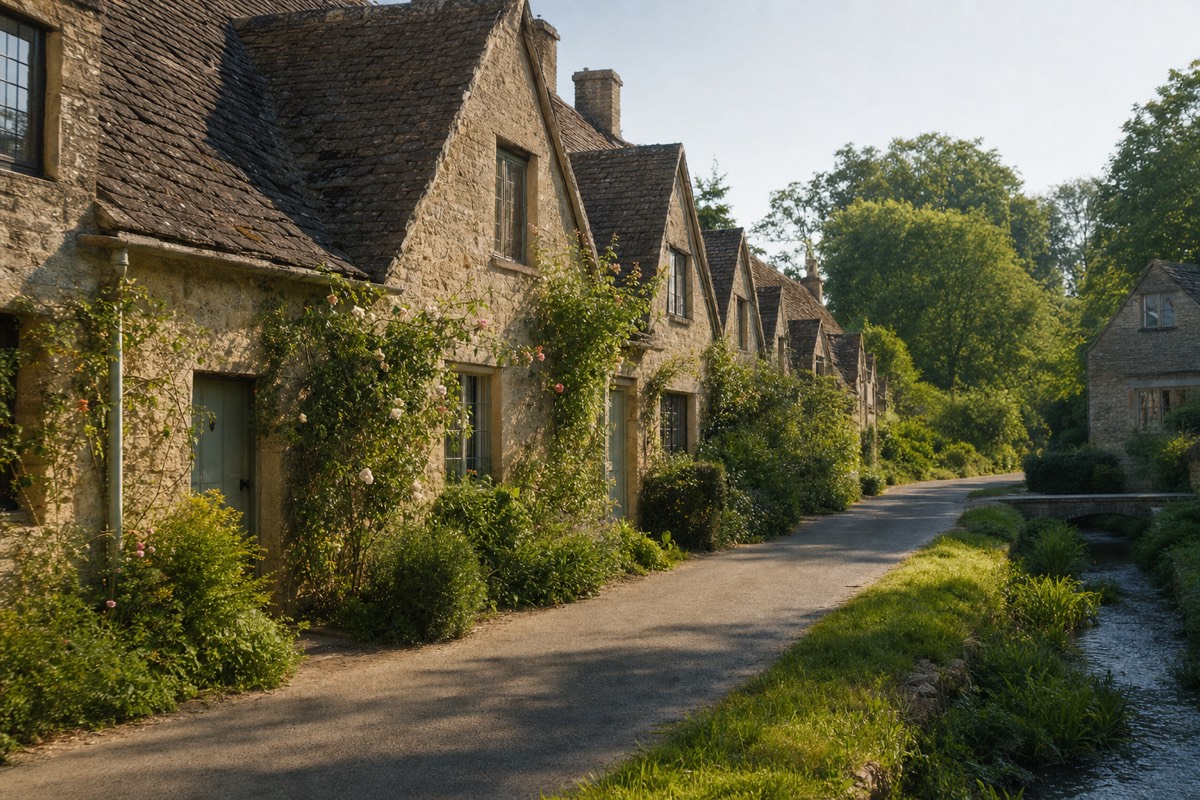
Each of these is a classic day out from London, and they answer different moods. Bath and York are both cities you explore on foot; the Cotswolds and Stonehenge are more about landscape and a single set-piece. Bath's advantage is that it packs the most variety into the least walking, which is exactly what a short visit wants:
| Destination | Main draw | From London | Best for |
|---|---|---|---|
| Bath | Roman baths plus a Georgian city, all UNESCO | About 1h20 by train | A full historic city on foot |
| York | Medieval walls (2.11 miles) and York Minster | About 2 hours by train | Medieval history in the north |
| The Cotswolds | Honey-stone villages across England's largest National Landscape | Around 1.5 to 2 hours | Countryside and village-hopping |
| Stonehenge | Prehistoric stone circle, sarsens up to 7m tall | Around 2 hours, no direct rail | One iconic monument |
York is the closest rival for a single-city day, with its 2.11 miles of medieval town walls, the longest in England, and the vast Minster at its heart, all of which Visit York lays out in detail. The honest split is era and geography: Bath is Roman-plus-Georgian in the south-west and a shade over an hour from London, York is medieval and about two hours north. Neither is better in the abstract. Bath simply wins on how much sits within an easy stroll.
What can you pair with Bath in the same trip?
Bath sits close to some of England's best-known sights. Stonehenge is about a 45 to 50 minute drive away, the Cotswolds begin just to the north, and Prior Park's landscape garden is a short ride from the centre. On a single day you realistically add only one of these; with an overnight you can comfortably combine two.
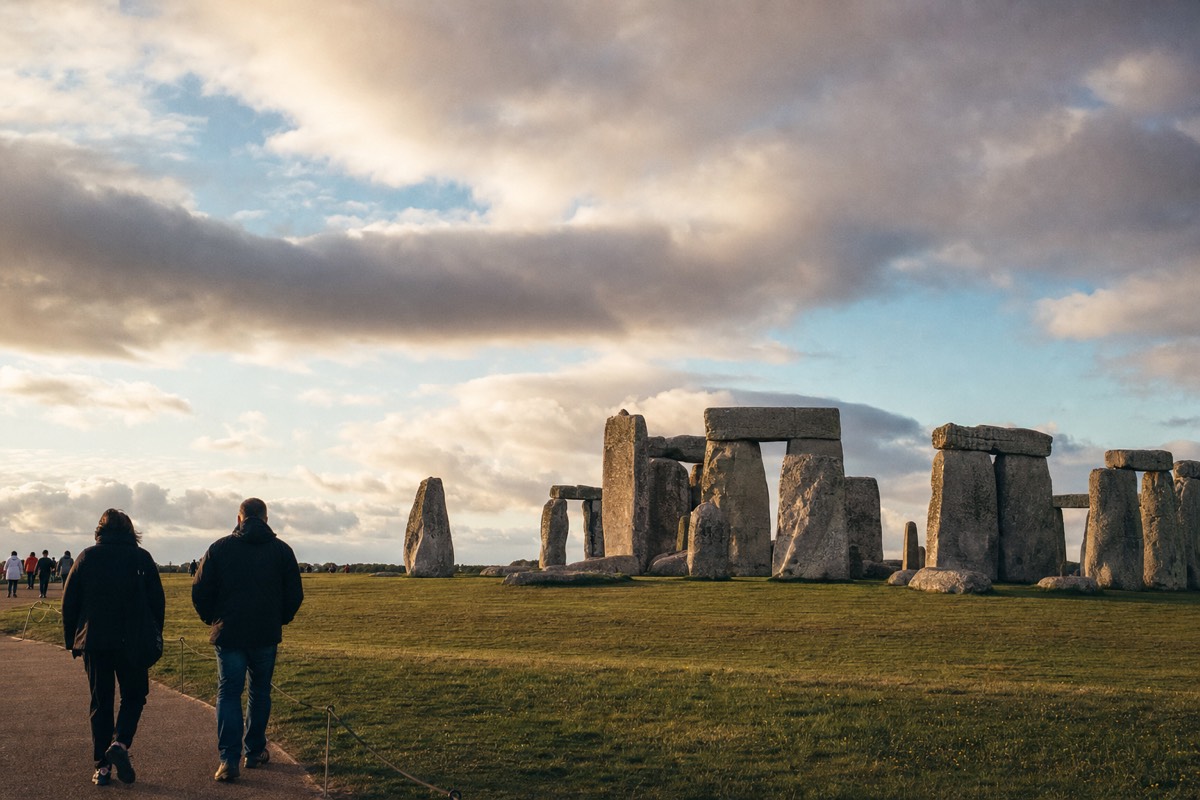
Part of Bath's appeal is where it sits. Wiltshire's prehistoric plain and the southern Cotswolds are both within easy reach, so Bath doubles as a base for a wider swing through the West Country. The catch on a day trip is time: each add-on eats half a day or more, so pick one rather than stacking them.
| Add-on | Distance from Bath | Time to allow | Getting there |
|---|---|---|---|
| Stonehenge | About 45 to 50 min by road | Half a day | Car or organised tour |
| Cotswolds villages | Just north (Castle Combe, Lacock, Bibury) | Half to full day | Car or tour |
| Prior Park garden | Short ride from the centre | 1.5 to 2 hours | On foot or by bus, no visitor parking |
| Bath and Stonehenge combined | Loop from London | Full day | Guided tour |
Stonehenge is the most popular pairing, and it is easy to see why: the sarsens stand up to seven metres tall and weigh as much as 25 tonnes, while the smaller bluestones travelled roughly 150 miles from Wales, a scale that English Heritage documents in full. On a self-driven day you could manage Bath in the morning and Stonehenge in the afternoon, but it is tight. If prehistory is your main goal, give it its own trip; if Bath is the main event, treat Stonehenge as the bonus.
What does James wish first-time visitors knew before Bath?
James, who has guided London-to-Bath day trips since 2022, says most first-timers underrate how much of Bath lives in the streets themselves. His advice after more than a thousand travellers: book the Roman Baths for opening, give the Georgian terraces the same attention as the ticketed sights, and treat the walk between them as part of the visit, not dead time.
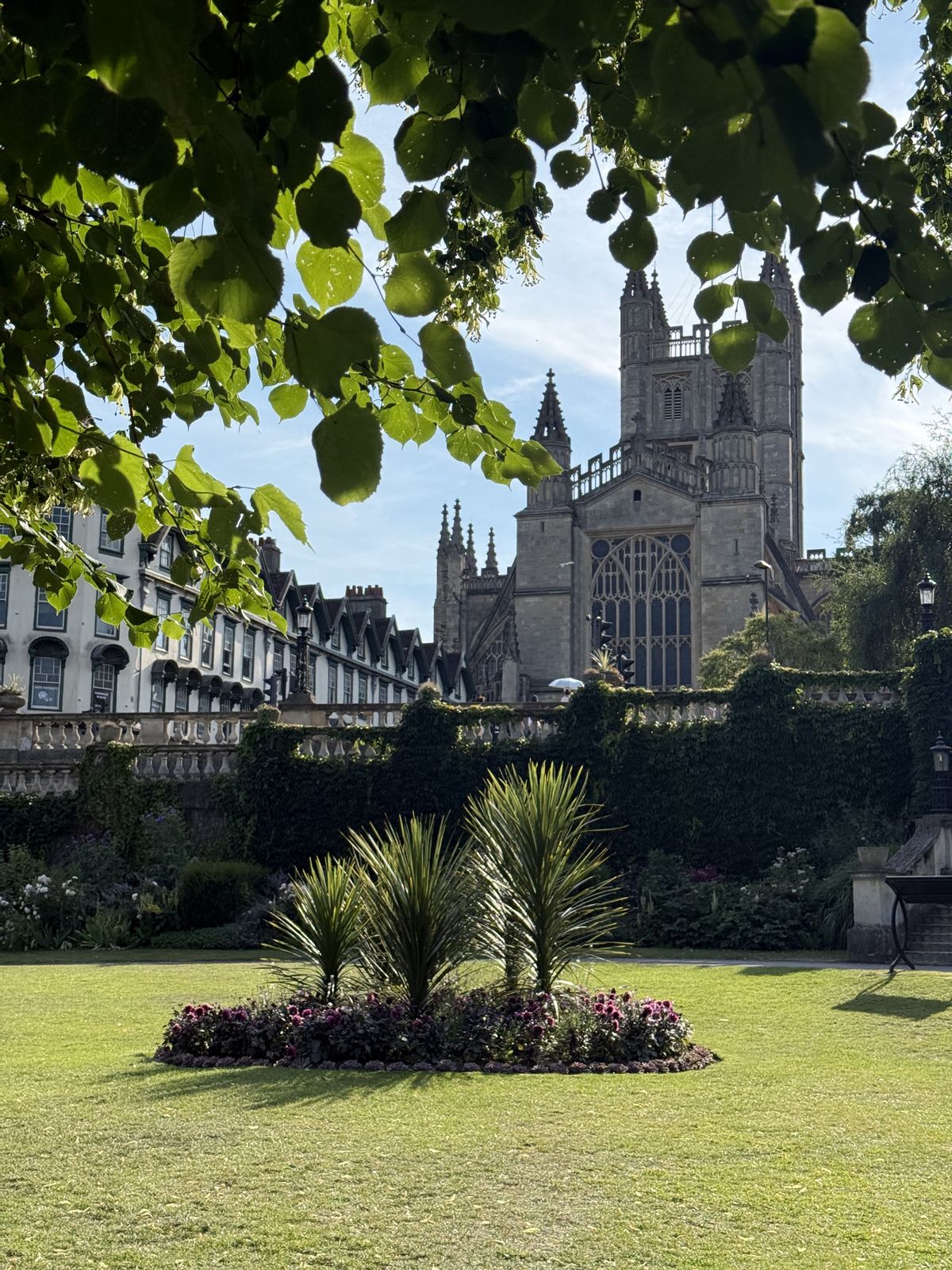
"People arrive with a list of four sights and treat everything in between as commuting," James says. "In Bath the in-between is the point." As a specialist in the city's Roman and Georgian heritage, he reckons the honey-stone lanes, the sweep of a crescent glimpsed at the end of a street, and the view of the Abbey from Parade Gardens deliver as much as any ticketed attraction, and they cost nothing.
His first practical tip is timing. Book the Roman Baths for opening and walk in before the coaches arrive, he says, because the difference between the first slot and midday in summer is the difference between a calm visit and a shuffling one. It is the single change that most improves a first visit, in his experience.
His second is to slow down at the free layer. He tells people to walk the full curve of the Royal Crescent rather than photographing one end, to look up at the Abbey's carved west front with its angels on Jacob's Ladder, and to cross Pulteney Bridge on foot to feel how unusual a shop-lined span really is. None of that needs a ticket, and it is where Bath stops feeling like a checklist. That is his opinion from years of guiding, not a formula, but it is the advice he gives every first-timer who asks.
Is Bath worth visiting in the rain?
Yes, arguably more so. Bath's headline sights are largely under cover: the Roman Baths, the Abbey, No.1 Royal Crescent and the city's museums all shelter you from Somerset drizzle, and the honey stone looks its warmest under wet skies. Only the open Georgian sweeps and Prior Park really want dry weather.
A wet forecast puts a lot of people off, and it should not. Bath is one of the better rainy-day cities in England precisely because its biggest draws are indoors, and the compact centre means short dashes between them rather than long exposed walks. Here is how the main sights hold up when the weather turns:
| Sight | Indoor or outdoor | Rainy-day verdict |
|---|---|---|
| Roman Baths | Mostly covered | Ideal; the Great Bath is open to the sky but the walkways shelter you |
| Bath Abbey | Indoor | Ideal, and warm since the springs now heat it |
| No.1 Royal Crescent | Indoor museum | Ideal, a period house you can wait out the rain in |
| Royal Crescent and Circus exterior | Outdoor | Still fine, a quick look is enough |
| Pulteney Bridge | Cross indoors through the shops | Manageable, duck into the shops |
| Prior Park garden | Outdoor | Save this one for a dry day |
The one indoor sight worth planning around is No.1 Royal Crescent, a restored Georgian townhouse that shows how the other half lived in the city's fashionable heyday. Pair it with the Roman Baths and the Abbey and you have a full, dry day without ever really needing the umbrella. The only things that genuinely suffer in rain are the open crescents and Prior Park, and both are quick to reschedule around.
Who might not enjoy a Bath visit?
Bath suits most travellers, but not everyone. If you need a step-free, flat day, the hills and cobbles will test you. If you want nightlife or big-city buzz, Bath is quiet after dark. And if you have already toured it thoroughly, a first-style day leaves little new until you return for the spa and the food.
Honesty helps here, because a small number of people leave Bath underwhelmed, and it is usually a mismatch of expectations rather than a fault of the city. Knowing which camp you are in saves a wasted trip:
| If you are | Bath verdict | Consider instead |
|---|---|---|
| After a step-free, flat day | The climbs and cobbles are real | A river-level route, skipping the Crescent walk |
| Chasing nightlife | Quiet in the evening | An overnight adds atmosphere, not clubs |
| A repeat visitor after the headline sights | Little new on a first-style day | Thermae spa, Prior Park, the food scene |
| Very short on time (under four hours) | Too rushed for the Roman Baths | A longer day or an overnight stay |
None of these is a reason to write Bath off. They are just honest edges. Plan a flatter route if hills are hard, come for the daytime rather than the nightlife, and return for the second layer once you have seen the first. For most first-time visitors, none of these apply, and the city delivers exactly what it promises.
Frequently asked questions
Why is Bath a UNESCO World Heritage Site?
The entire city is listed for its Roman remains built around Britain's only hot spring and for its 18th-century Georgian town planning and architecture in honey-coloured Bath stone. It is one of very few places where the whole urban area holds the status, not just a single building.Is Bath better than York?
They are different. Bath is Roman plus Georgian, honey stone, in south-west England and about 1 hour 20 minutes from London by train. York is medieval, with city walls, The Shambles and York Minster, in the north and roughly two hours from London. Both are compact and walkable, so it comes down to which era appeals more.How long do you need in Bath?
One well-planned day covers the main sights. Two days let you add a spa session, Prior Park, a slower pace and the city in the evening after the day-trippers leave.Is Bath expensive to visit?
It can be if you pay on the gate for everything, but it need not be. Advance train tickets are cheaper than same-day fares, Bath Abbey’s exterior is free but sightseeing inside is ticketed, and simply walking the Georgian streets costs nothing. The Roman Baths and Thermae Bath Spa are the main paid attractions.What is the best time of year to visit Bath?
Late spring (May) and early autumn (September) balance decent weather with thinner crowds. July and August are busiest, and December brings the Christmas market. Bath works year-round, and a wet day is easy to spend indoors in the Roman Baths, Abbey and museums.Plan your next step
City walk & Roman Baths entry
Have a travel date in mind? Pair a Blue Badge guided city walk with a self-guided visit inside the Roman Baths. Check your date before arranging the rest of your day.
About 3 hours; meet outside Bath Abbey’s main doors. Roman Baths entry and audio guide included; your guide does not lead the visit inside.
Start with this option, or compare the choices below.
Choose a date to see the published schedule.
Compare the options for your Bath plans
| Experience | Why choose it | Allow | What to account for |
|---|---|---|---|
| City walk & Roman Baths entry | Pair a Blue Badge guided city walk with a self-guided visit inside the Roman Baths. | 3 hours | About 3 hours; meet outside Bath Abbey’s main doors. Roman Baths entry and audio guide included; your guide does not lead the visit inside. |
| Roman Baths entry & audio guide | Explore the Great Bath, temple remains and museum at your own pace. | 2 hours | Timed admission in Bath with an audio guide. Allow 1½–2 hours as a planning estimate; no bathing or London transport. |
| Georgian Bath walking tour | Read the details of the Circus, Royal Crescent and quiet Georgian streets with a local guide. | 3 hours | Allow 2–3 hours; meet and finish at Bath Abbey. Exterior sightseeing on foot; paid interiors and travel to Bath are separate. |
| Castle Combe, Stonehenge & Bath from London | Combine a Castle Combe stop with time in Bath and Stonehenge on one small-group day. | 11.5 hours | About 11½ hours from London. Stonehenge admission costs extra; Roman Baths entry and meals are not included. Minimum age 3. |
| Bath ghost walk | Follow a theatrical evening trail through Bath’s haunted streets and take part in ghostly experiments. | 1.75 hours | About 1¾ hours; start outside Bath Abbey, finish at Queen Square. English guided walk; allow time to reach your return train. |